
How to Prepare for Your Next Structural Inspection
Some think that a structural inspection is nothing more than several boxes to tick. However, it’s one of the most crucial steps to protecting a property’s safety and value. These inspections are especially important in Florida, where high winds, humidity, and heavy rains put constant stress on buildings. Structural engineers closely examine the integrity of different structural elements (such as foundations, columns, beams, etc. to look for signs of deterioration or damage before they become serious structural hazards.
Regular inspections not only keep you compliant with Florida’s Building Code regulations, but they also help residents feel confident in their building’s ability to withstand Florida’s aggressive climate. So, how do you prepare for your next structural inspection? Read on.
What is a Threshold Building?
Let’s start by defining what we mean when we say “Threshold Building.”
In Florida, a Threshold Building is any structure greater than three stories or 50 feet in height, or one that has an assembly occupancy exceeding 5,000 square feet and more than 500 people. These buildings require additional oversight during design and construction to ensure compliance with state safety standards.
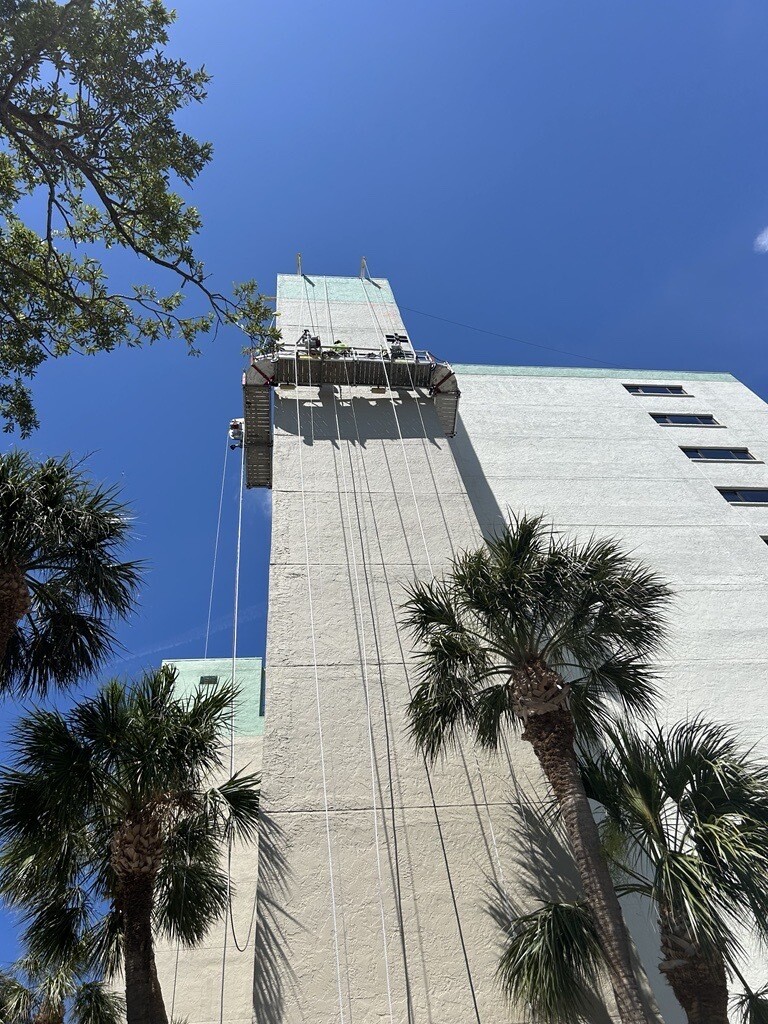
Understanding Florida’s Structural Inspection Requirements
The Sunshine State has strict rules to keep buildings safe. Once you consider Florida’s tough climate, you’ll begin to understand why structural inspections are a must. There are two types of inspections you should know about.
Milestone and Recertification Inspections
Florida requires a milestone inspection for buildings that are more than 3 stories in height once they turn 30 years old, and every 10 years after.
Local municipalities create recertification inspection programs and have stricter rules than milestones. Some local municipalities may require buildings to be inspected earlier than 30 years and may have stricter conditions.
If your local municipality requires recertification, then your building does not need a milestone inspection. However, if your local municipality does not have a recertification inspection program in place, you must complete the state-mandated milestone inspection.
Threshold Inspection
While milestone inspections focus on condominiums and similar structures, a threshold inspection prioritizes larger and more complex buildings (like those with at least 5,000 square feet of assembly space or at least four stories high).
Because such buildings entail greater risks (after all, they’re more massive than “milestone” properties), Florida Statute 553.79 requires building owners to have a special inspector to oversee construction. The inspector’s job is to ensure accountability, watching every construction step, and making sure that structural elements are built precisely to Florida code and design. In other words, safety-compromising shortcuts are eliminated.

Please understand that milestone and threshold inspections aren’t only legal obligations. They’re the Sunshine State’s frontline defense against building failures. The implication? You’ll rest easy knowing your Florida property is safe and compliant (and will outlive you)
When You Need a Structural Inspection in Florida
It would be a grave mistake to think that structural inspections in Florida are routine. While that may be true, there are specific points in a building’s life when an inspection is necessary.
We already know that condos and co-ops require initial milestone inspections on their 30th (or even 25th) year, with follow-up inspections every 10 years. Florida counties and cities strictly enforce these timelines (although some might set their own deadlines).
Besides routine inspections, you will also need a professional to inspect your property after a major event, such as a hurricane, flooding, or other natural disasters. Doing so allows inspectors to identify hidden damage and confirm the property’s safety.
You’ll also need a structural inspection after subjecting your property to substantial renovations (especially if the project involved roofs, foundations, and even load-bearing walls).
What happens if your property doesn’t pass its structural inspection? Well, you’ll face penalties. You might even have an increased risk for liabilities. More importantly, you’re putting your and other people’s lives at risk due to unsafe living conditions.
Steps to Prepare for Your Structural Inspection
A successful structural inspection typically begins long before the inspector (or engineer) arrives. Here’s a tip. The more prepared you are, the smoother (and hiccup-free) the inspection will be (whether a milestone inspection or a threshold audit). More importantly, adequate preparation will ensure more accurate results. So, how can Florida property owners prepare?
Step 1. Gather documentation.
This step involves plenty of paperwork, including original building plans and past inspection reports. It would be wise to include repair (including hurricane- or flood-damage-related repairs) or maintenance records (if any) to give inspectors a clear timeline of your property’s condition. It should help them understand what issues you have already addressed.
Step 2. Perform a visual self-check.
Walk through and around your building, looking for “unusual” signs, like cracks in walls, rusting metal components, and water stains. Be on the lookout for rust spots and concrete spalling, especially if your property is within 3 miles of the coast. Take photos and keep notes of whatever you notice. Documenting your observations can help you monitor whether such conditions are getting worse.
Step 3. Address minor issues in advance.
You can try patching up hairline cracks or replacing deteriorated sealants. Clearing clogged drainage before the inspection can also help avoid getting flagged as a potential red flag.
Step 4. Coordinate with residents or tenants.
You don’t want other people to disturb the structural inspection (or be bothered by it). Ideally, you’ll want to give building occupants a heads-up on the milestone or threshold inspection schedule. That way, inspectors can move freely (and inspect your property more effectively).
Step 5. Ensure inspector access to all areas.
Inspections are all about examining your property’s every nook and cranny, from the roof and mechanical rooms to basements, crawl spaces, and every imaginable part of your building. Hence, ensure everything is clear of obstructions (items and vegetation) that could block the inspecting team’s access to foundations and exterior walls. Keep doors unlocked and rooms clutter-free, too.
Why Work with a Licensed Florida Engineer
Experience in Florida’s unique environment is crucial when it comes to structural inspections. And for that, you won’t have a better partner than a licensed Florida engineer.
These professionals understand Florida’s strict building codes. More importantly, they know how hurricanes, constant humidity, salty air, and other environmental challenges can accelerate building wear (which they must consider during the structural inspection).
Licensed Florida engineers also ensure full compliance with state regulations. You’ll never worry about facing liabilities, and that adds to your peace of mind.
Billerreinhart is Florida’s go-to expert in structural inspections. Partner with them today to ensure your building is safe, sound, and ready for the future.