
Florida’s hurricane season (usually peaks between August and October) never fails to bring powerful winds, heavy rains, and even devastating storm surges that can leave buildings (especially along the Atlantic or Gulf coasts) vulnerable in ways not always visible at first glance.
Your property might appear unscathed. However, hidden damage may already be compromising its strength. That’s why post hurricane inspection is so important, especially when performed by licensed structural engineers. These pros identify issues early before they escalate, draining your budget and putting people’s lives at risk.
Beyond protecting properties and occupants, post-hurricane inspections ensure your property complies with Florida’s strict building codes. You’ll never worry about adhering to recertification requirements, either. The outcome? You’ll feel more confident about your building’s resilience against Florida’s demanding (read, challenging) environment.
Why Post-Hurricane Inspections Are Critical in Florida
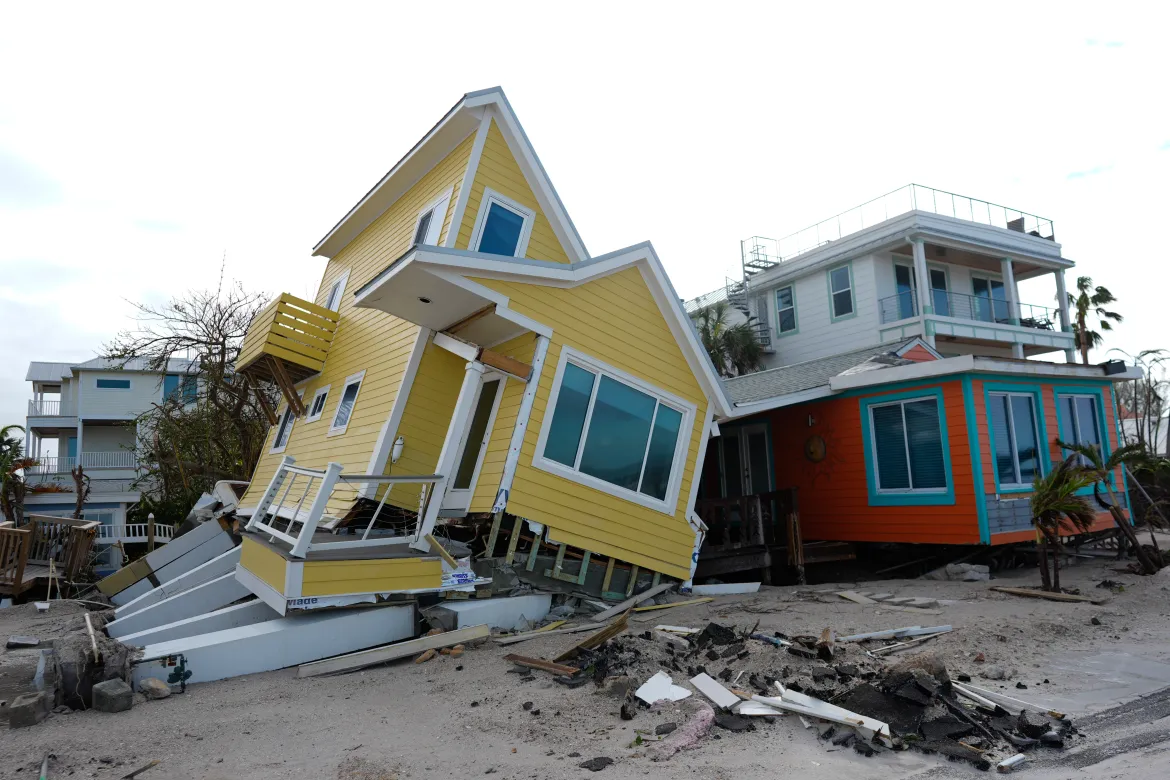
Hurricanes frequently visit (and wreak havoc) on the Sunshine State’s scenic landscape. These natural phenomena bring high winds that can shift roof systems and stress load-bearing walls. They also produce storm surges and massive flooding that put building foundations in peril. And then there’s flying debris that can shatter windows and break walls.
Sadly, many of the serious issues left behind by these natural forces remain hidden. We’re talking foundation cracks and even subtle roof displacements. Structural weaknesses are present, too, that is if you have a trained eye to detect them.
Acting quickly (by instituting a post hurricane inspection) can help you uncover problems before they spiral out of control. It should help you avoid “unplanned” repair costs while ensuring long-term safety for your occupants. Delaying inspections can worsen the hurricane-related damage. Not only that. Local building code compliance can also be problematic.
The Florida Building Safety Landscape
There’s a silver lining to Florida’s relationship with powerful storms. It resulted in the passing of some of the strictest building safety regulations anywhere in the US.
After Hurricane Andrew left Florida with a massive $27.3 billion (about $62.7 billion today) worth of damage to properties and infrastructure in 1992, the Sunshine State overhauled its building codes. There are now higher standards for wind resistance and structural performance (and net building resilience against powerful storms). Today, compliance with these laws is necessary for protecting lives and property in Florida’s hurricane-prone landscape.
Counties and cities also mandate professional inspections after severe weather events, especially when flooding, debris impact, or high winds undermine structural integrity.
Aging properties are especially vulnerable. Hence, Florida required owners of condos and co-op buildings (older than 30 years) to avail of milestone inspection services on the 30th year (plus every 10 years for follow-ups) to ensure their properties stay resilient.
These requirements are only for buildings located not more than 3 miles from the coast. For such properties, the law requires an initial structural inspection at 25 years.
Florida’s building codes might be strict, but they’re here to protect your investment and the people occupying them. Structural assessments are vital in unearthing vulnerabilities. It should make planning for maintenance or repairs (or even renovation) more worthwhile (before these small issues become major headaches).
Threshold Inspections for Large-Scale or High-Risk Structures
Some buildings demand a higher level of oversight because they’re bigger or more complex (or even accommodate a greater number of people). For instance, buildings with at least three levels (or floors) or cover at least 50,001 square feet require a stricter threshold inspection. This law also includes other high-risk structures (like those with complex designs).
Threshold inspections are crucial when preparing buildings for hurricanes and other powerful natural forces (of which Florida has quite plenty). These structural assessments ensure that a building (or any structure) can withstand extreme forces during severe weather phenomena.
It’s worth pointing out that only licensed special inspectors (and structural engineers) can perform threshold inspections. They’ll carefully monitor a building as it’s constructed or repaired (or even reinforced). Their goal is to ensure all work on your building (and all other structures covered by this law) adheres to Florida’s building codes and engineering standards.
Structural engineers will check that materials (including structural reinforcements) and methods meet standards (and design specifications). This oversight is crucial after a hurricane, when large buildings may undergo significant repairs.

Timing: Why Immediate Action Matters
The clock starts ticking on your Florida property’s safety once a hurricane passes. Your most sensible (and smartest) move would be to schedule a post hurricane inspection, preferably within days of the storm.
Quick action can help you uncover hidden damage early (and help you better prepare or plan). More importantly, you’ll feel more confident and worry-free that your property is on the right side of Florida’s strict building codes.
Meanwhile, waiting or delaying action is risky. For example, small cracks can spread or even widen. Water that has seeped into building elements can quietly weaken them. Delaying post hurricane inspection can also complicate legal compliance, leaving you with costlier and more disruptive repairs (just to comply with laws).
The best practice for managing hurricane damage and ensuring property integrity is often the most overlooked. Act fast! The good news? Many property owners now recognize the importance of such inspections. They partner with credible post-hurricane inspection providers long before the hurricane season so they’re first in line when storms hit.
It’s a peace of mind-granting proactive approach. It also gives you priority scheduling (so you’ll never worry about contacting building inspectors after the storm) and, more importantly, a stronger foundation for recovery.
Choosing the Right Florida Inspection Partner
A successful post hurricane inspection is only possible with a credible partnership with the right team. The best partners bring deep, local experience. More importantly, they leverage first-hand knowledge of hurricane damage. They also have an in-depth understanding of Florida’s building codes (including inspection laws).
Licensed structural engineers (especially those specializing in milestone and threshold inspections) are your best partners. You can never question their expertise in identifying hidden structural issues. You can trust them to ensure all repairs comply with Florida’s standards.
Billerreinhart relies on decades-long Florida-focused hands-on experience and technical precision to ensure you get credible post-hurricane inspections. Hurricane damage? We’ll assess it. Restoration projects? We’ll guide it, too. You can always rely on our professional insights and tailored solutions to help you move forward confidently and safely after a powerful storm in Florida.
