
Discover practical preventive maintenance tips to protect your building, prevent costly repairs, and extend its structural life in Florida.
Preventive Maintenance Guidance to Extend the Life of Your Building Structure
A well-cared-for building doesn’t just stand tall; it stands strong for decades. Regular maintenance is the key to preventing minor problems from turning into costly repairs. From the foundation to the roof, every part of a structure requires timely attention to maintain its strength and safety.
In Florida, where humidity, salt air, and seasonal storms can quickly wear down materials, preventive maintenance isn’t optional but essential. It helps property owners meet Florida Building Code (FBC) requirements, extend the life of their assets, and ensure safety for everyone who lives or works inside.
Below is advice for preventative maintenance from the viewpoint of a structural engineer, designed to help keep your building resilient, efficient, and code-compliant for years to come.
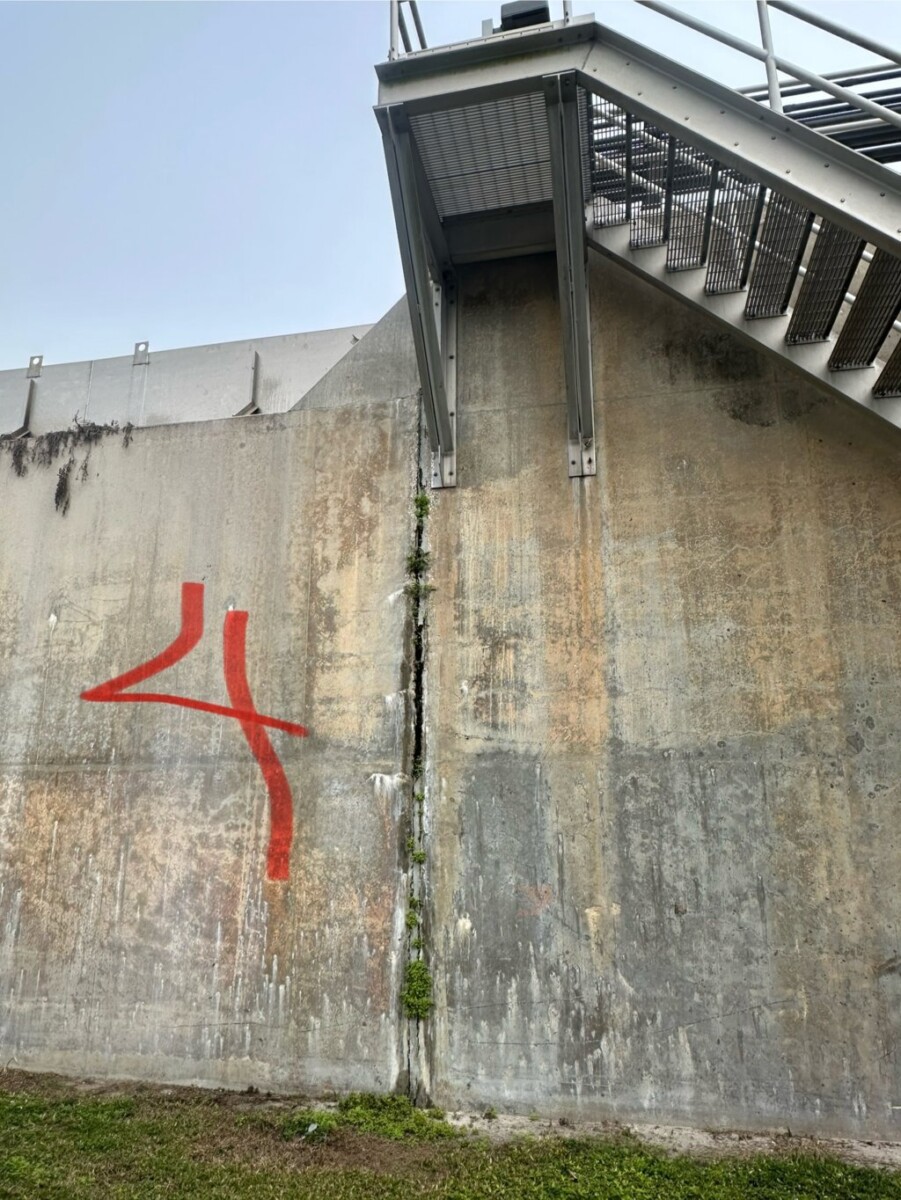
Conduct Routine Structural Inspections Every 3–5 Years
The surface of a building reveals a great deal. Peeling paint, cracks, and organic growth are all seen on the surface and give us information. It is best practice to schedule a structural inspection every three or five years to uncover early signs of damage before they become serious.
During these inspections, engineers assess structural elements (beams, columns, foundations, and load-bearing walls) to ensure they are performing as intended. They look for cracks, corrosion, settlement, or water intrusion — subtle changes that can indicate deeper issues.
In Florida, these inspections also align with the state’s milestone inspection requirements, which mandate structural assessments for condominium and cooperative buildings that are three stories or higher once they reach 30 years of age, or 25 years if located within three miles of the coast. These inspections, required by the Florida Building Code, ensure that aging structures remain safe for continued occupancy.
They were introduced under Senate Bill SB 4-D: Building Safety, signed into law in 2022 after the Surfside condominium collapse. This legislation requires regular structural evaluations, documentation of any needed repairs, and timely follow-up actions to protect residents and strengthen public safety across the state.
If you’re unsure about the condition of your structure, explore BillerReinhart’s milestone inspections services. Regular professional evaluations are a small investment that prevents large-scale structural repairs later on.
Schedule Annual Roof Inspections
Roofs are the first line of defense against Florida’s sun and storms, and they take the brunt of both. A yearly roof inspection helps spot issues like missing tiles, clogged drains, ponding water, or weakened flashing.
Unchecked, these can lead to leaks, mold growth, or concrete deterioration, especially in flat roofs common in coastal properties. Regular roof maintenance, combined with waterproof coatings and timely repairs, ensures that rainwater drains properly and your building remains dry and protected.
A structurally sound roof isn’t just a comfort issue; it’s a building’s safeguard against costly long-term damage.

Seal Cracks and Wall Openings to Prevent Moisture Damage
Tiny cracks and unsealed joints might seem harmless, but they can quietly cause major problems. Moisture can seep through gaps, rusting reinforcement bars, and weakening concrete over time.
That’s why one of the most effective preventive maintenance tips is simply to seal what’s open. This includes wall penetrations around light fixtures, vents, or utility lines — areas often missed during routine cleaning or painting.
Florida’s humid climate accelerates deterioration when water seeps into structural materials. Periodic sealing preserves the strength of walls and prevents future repairs that could cost thousands of dollars. Learn more about threshold inspection services.
For complex sealing work or inspection of structural cracks, structural inspections by qualified engineers can confirm whether damage is superficial or structural.
Keep Up with the Building’s Paint Schedule
Paint does more than make a building look clean and new; it protects surfaces from moisture, sunlight, and salt. Exterior coatings act as a weather-resistant barrier, preventing corrosion and concrete spalling.
In Florida, exterior painting is typically recommended every 7 to 10 years, though coastal properties may need it more often due to salt exposure.
Repainting on schedule ensures that sealants and finishes remain intact, especially on balconies, window frames, and railings. Choosing the right paint type — one designed for high humidity and UV resistance — adds another layer of protection that helps structures age gracefully.

Require Unit Owners to Waterproof Balconies Before Installing Tile
Balconies are beautiful but vulnerable. When tiles are installed without proper waterproofing of the concrete slab below, water can seep through grout lines and compromise the concrete below. Over time, this can cause corrosion of steel reinforcements, leading to cracking or delamination.
Before any renovation or upgrade, property managers should require unit owners to apply waterproof membranes and ensure the installation complies with FBC Chapter 15 for weather protection.
This simple step can prevent thousands of dollars in structural damage and extend the balcony’s lifespan dramatically — a clear example of preventive maintenance saving time and cost in the long run.
Maintain Windows and Doors Regularly
Windows and doors play a key role in a building’s energy efficiency and weather resistance. Over time, seals can dry out, hinges can loosen, and frames can warp, especially in coastal Florida’s humid, salty air.
Regular maintenance includes checking seals, replacing worn gaskets, and tightening hardware. It’s also wise to inspect the surrounding walls for moisture intrusion, as water leaks around windows are one of the most common sources of hidden damage.
Keeping these openings secure not only prevents water infiltration but also improves comfort and lowers energy bills, another benefit of staying proactive with maintenance.

Use Preventive Maintenance Tips to Extend Your Building’s Life
A building is a living system: every beam, joint, and seal works together to support safety and comfort. Taking small, consistent actions to maintain it can add decades to its life.
By following these preventive maintenance tips, property owners can:
- Avoid costly emergency repairs
- Comply with Florida Building Code and safety regulations
- Preserve property value
- Protect residents and tenants
- Ensure long-term structural stability
Partnering with the right engineering team makes all the difference. At BillerReinhart, we bring years of experience in Florida structural engineering services, helping clients plan, inspect, and preserve their buildings with confidence.
Preventive maintenance isn’t just about repairs; it’s about stewardship. With consistent care and professional insight, your building can continue to serve its purpose safely and beautifully for generations to come.