
Age and stature don’t always guarantee structural integrity in commercial buildings. After all, common structural issues can creep in over time (sometimes subtly, other times dramatically), putting safety, operations, and property value at risk.
The signs of structural damage often hide in plain sight, from cracked walls and peeling paint to sinking foundations. It’s easy to miss those signs if you don’t know what you’re looking for.
Knowing what signs to look for and how to address them can save you serious money and headaches in the long run, whether you’re managing a high-rise or a retail space. Let’s explore the top five structural issues in Florida that compromise commercial buildings.
Moisture can seep into building sections (i.e., foundations, floors, and walls). It can corrode steel, weaken concrete, and soften timber. It’s one of the most common structural issues that can quietly cause materials and structural elements to deteriorate.
Any environment that’s consistently damp can be a starting point for mold infestation. These microorganisms can deteriorate building materials while compromising air quality (and make susceptible occupants ill). Such organisms can erode the building’s structural integrity (even internal structural shifts).
There are many moisture entry points, such as blocked gutters, deteriorated window and door sealant, cracks in the facade, and poor drainage. Florida has all the right ingredients for robust mold growth, thanks to its perennially wet climate. Material degradation can also be problematic, especially with inadequate drainage systems.
Preventative measures, like waterproofing exposed concrete and implementing a strict maintenance schedule, is vital. Periodic inspections are vital, especially in identifying and addressing early water damage signs. After all, even minor signs of water damage, such as paint discolorations and musty odors, may indicate underlying moisture concerns.
Waterproofing is perfect for safeguarding the health of building occupants (ensuring they’re safe and happy). You can also preserve your building’s structural integrity and minimize repair costs (often for preventable issues). Ensuring your building’s longevity and value is also easy with effective waterproofing.
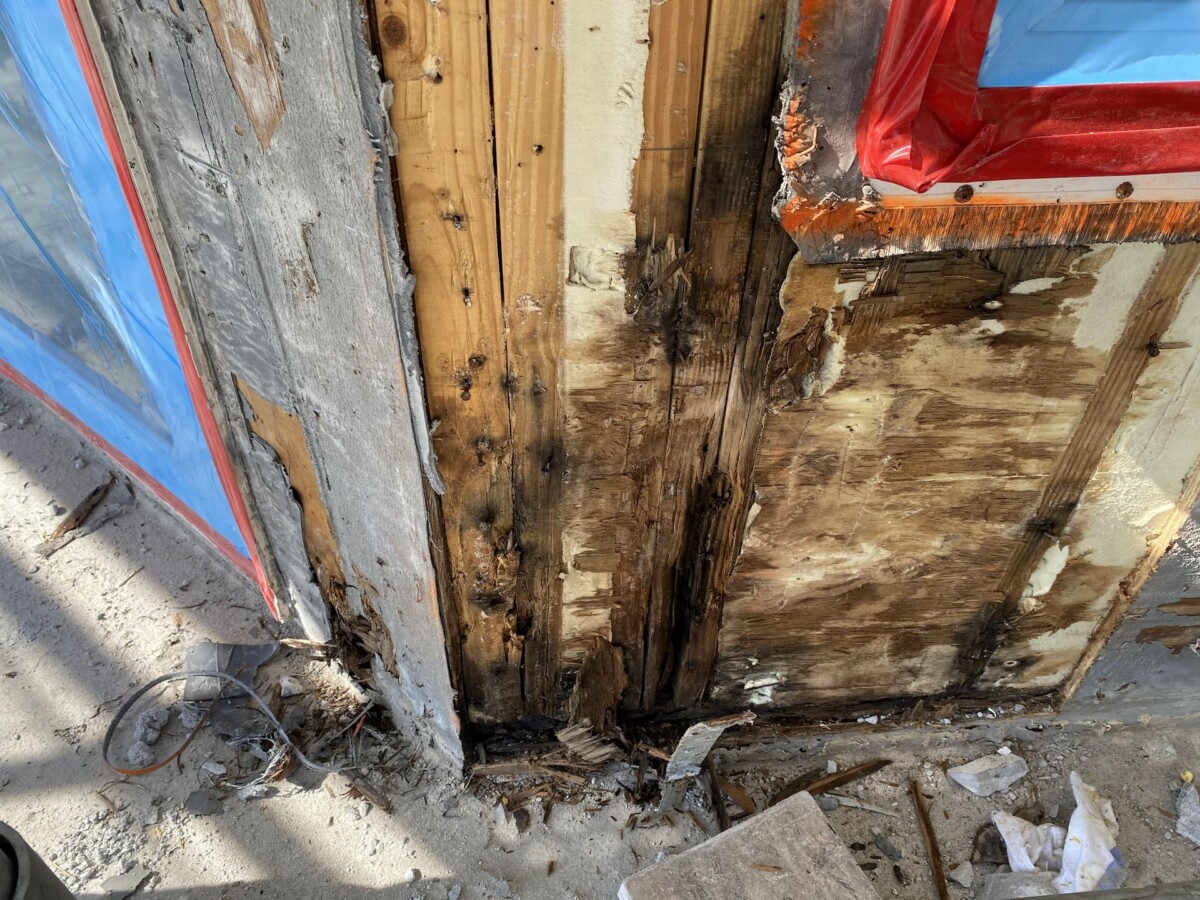
These fissures may appear harmless at first. However, they’re frequently tied to deeper issues like soil settlement and poor drainage. Water pressure can also cause the foundation to sink or shift, as can uneven load distribution. It can undermine the structural integrity of a commercial building. In coastal areas of Florida, horizontal foundation cracks may indicate stress from storm surges or shifting soils due to high water tables, particularly during the rainy season.
Over time, structural issues such as foundation cracks can increase the risk of moisture entry or create conditions favorable to pests, particularly if not properly sealed or maintained. More importantly, they undermine the building’s long-term stability.
Ignoring these problems can lead to costly repairs and even partial building closure. Swift action is crucial.
This is where building restoration comes into play, especially with experts like Billerreinhart. An engineering team can zero in on the culprit of foundation cracks. More importantly, they deliver tailored reinforcement strategies to stabilize the structure while future-proofing your investment before minor cracks evolve into major chaos.

Subjecting commercial buildings to milestone structural inspections is necessary to prevent catastrophic failures while ensuring public safety. Such measures also help you avoid expensive emergency repairs while staying legally compliant.
Uneven sloping may point to differential settlement, where parts of a building’s foundation sink at varying rates. Deteriorating internal beams and supports can also produce these effects. Regardless of cause, the building’s balance is quite literally “off.”
Differential settlement can lead to significant structural damage over time, affecting not only the floors but also doors, ceilings, and walls. These subtle shifts are among the common structural issues property managers often overlook until they snowball into expensive repairs.
Sagging floors may also indicate weakened or failing joists or columns. Commercial property owners and managers should never ignore these issues, as they pose a severe threat to the safety and stability of the building.
Early detection is your best defense. Professional inspection and tailored structural reinforcement can restore safety and stability before the tilt turns into a tumble. It can also help in informed maintenance planning, giving you a clear roadmap for future reinforcements of even repairs. Peace of mind is a guarantee with professional inspections.

Pressure from the surrounding soil or water can push against the walls. Hydrostatic (water) pressure, especially after heavy rains or poor drainage, can slowly force walls to curve outward. Deteriorating building supports or overloaded floors can also exert the same effect.
Curving walls are unstable and can produce cracked masonry and compromised insulation if left unchecked. If left unaddressed, bowed or bulging walls may continue to shift, potentially affecting the wall’s long-term performance and requiring more extensive repairs. It’s one of those structural problems that can creep in quietly and then escalate rapidly if ignored.
This issue calls for immediate attention, whether it’s the exterior brickwork or internal partitions showing the strain. Professional structural engineers can assess pressure points, while recommending reinforcement or bracing before the situation literally cracks under pressure.
Misaligned frames are some of the earliest signs of structural damage due to shifting foundations and warping beams. They can also be caused by movement in the building’s framework.
Uneven settling of the building’s structure or weakening support elements can distort the alignment of openings (like windows and doors). This can cause visible cracks around frames over time. You might also find gaps in seals or even stress fractures in walls. It might be a minor inconvenience, but such a sign could be a commercial building’s way of waving a red flag.
It’s easy to overlook these subtle cues. However, they should never be ignored. Persistent sticking often points to underlying structural damage that could escalate if not addressed.
Getting a professional assessment early can help restore function. More importantly, it can prevent more serious movement from compromising your entire structure.
For detailed structural requirements and inspection protocols, refer to the Florida Building Code (FBC) or ASCE 7 standards for load and design criteria. Addressing these problems early is easy with the help of a qualified restoration expert, like Billerreinhart. Their team specializes in identifying, solving, and restoring a building’s structural integrity to give it a stronger, safer future.
The signs of structural damage often hide in plain sight, from cracked walls and peeling paint to sinking foundations. It’s easy to miss those signs if you don’t know what you’re looking for.
Knowing what signs to look for and how to address them can save you serious money and headaches in the long run, whether you’re managing a high-rise or a retail space. Let’s explore the top five structural issues in Florida that compromise commercial buildings.
1. Water Intrusion
Water is sneaky enough to find its way into the smallest cracks. Once in, the damage begins. Moisture-related issues (i.e., dampness and leaks) quietly “eat away” structures from the inside out.Moisture can seep into building sections (i.e., foundations, floors, and walls). It can corrode steel, weaken concrete, and soften timber. It’s one of the most common structural issues that can quietly cause materials and structural elements to deteriorate.
Any environment that’s consistently damp can be a starting point for mold infestation. These microorganisms can deteriorate building materials while compromising air quality (and make susceptible occupants ill). Such organisms can erode the building’s structural integrity (even internal structural shifts).
There are many moisture entry points, such as blocked gutters, deteriorated window and door sealant, cracks in the facade, and poor drainage. Florida has all the right ingredients for robust mold growth, thanks to its perennially wet climate. Material degradation can also be problematic, especially with inadequate drainage systems.
Preventative measures, like waterproofing exposed concrete and implementing a strict maintenance schedule, is vital. Periodic inspections are vital, especially in identifying and addressing early water damage signs. After all, even minor signs of water damage, such as paint discolorations and musty odors, may indicate underlying moisture concerns.
Waterproofing is perfect for safeguarding the health of building occupants (ensuring they’re safe and happy). You can also preserve your building’s structural integrity and minimize repair costs (often for preventable issues). Ensuring your building’s longevity and value is also easy with effective waterproofing.
2. Foundation Cracks
Cracks near a building’s foundation are one of the most telling signs of a structural issue within the building. They are often a subtle cry for help from the ground below.These fissures may appear harmless at first. However, they’re frequently tied to deeper issues like soil settlement and poor drainage. Water pressure can also cause the foundation to sink or shift, as can uneven load distribution. It can undermine the structural integrity of a commercial building. In coastal areas of Florida, horizontal foundation cracks may indicate stress from storm surges or shifting soils due to high water tables, particularly during the rainy season.
Over time, structural issues such as foundation cracks can increase the risk of moisture entry or create conditions favorable to pests, particularly if not properly sealed or maintained. More importantly, they undermine the building’s long-term stability.
Ignoring these problems can lead to costly repairs and even partial building closure. Swift action is crucial.
This is where building restoration comes into play, especially with experts like Billerreinhart. An engineering team can zero in on the culprit of foundation cracks. More importantly, they deliver tailored reinforcement strategies to stabilize the structure while future-proofing your investment before minor cracks evolve into major chaos.

2. Uneven or Sloping Floors
This issue might start with a desk that won’t sit level or a rolling chair that refuses to stay put. Uneven or sloping floors in commercial buildings are more than just annoying; they could be the first clues of something deeper.Subjecting commercial buildings to milestone structural inspections is necessary to prevent catastrophic failures while ensuring public safety. Such measures also help you avoid expensive emergency repairs while staying legally compliant.
Uneven sloping may point to differential settlement, where parts of a building’s foundation sink at varying rates. Deteriorating internal beams and supports can also produce these effects. Regardless of cause, the building’s balance is quite literally “off.”
Differential settlement can lead to significant structural damage over time, affecting not only the floors but also doors, ceilings, and walls. These subtle shifts are among the common structural issues property managers often overlook until they snowball into expensive repairs.
Sagging floors may also indicate weakened or failing joists or columns. Commercial property owners and managers should never ignore these issues, as they pose a severe threat to the safety and stability of the building.
Early detection is your best defense. Professional inspection and tailored structural reinforcement can restore safety and stability before the tilt turns into a tumble. It can also help in informed maintenance planning, giving you a clear roadmap for future reinforcements of even repairs. Peace of mind is a guarantee with professional inspections.

3. Bulging or Bowed Walls
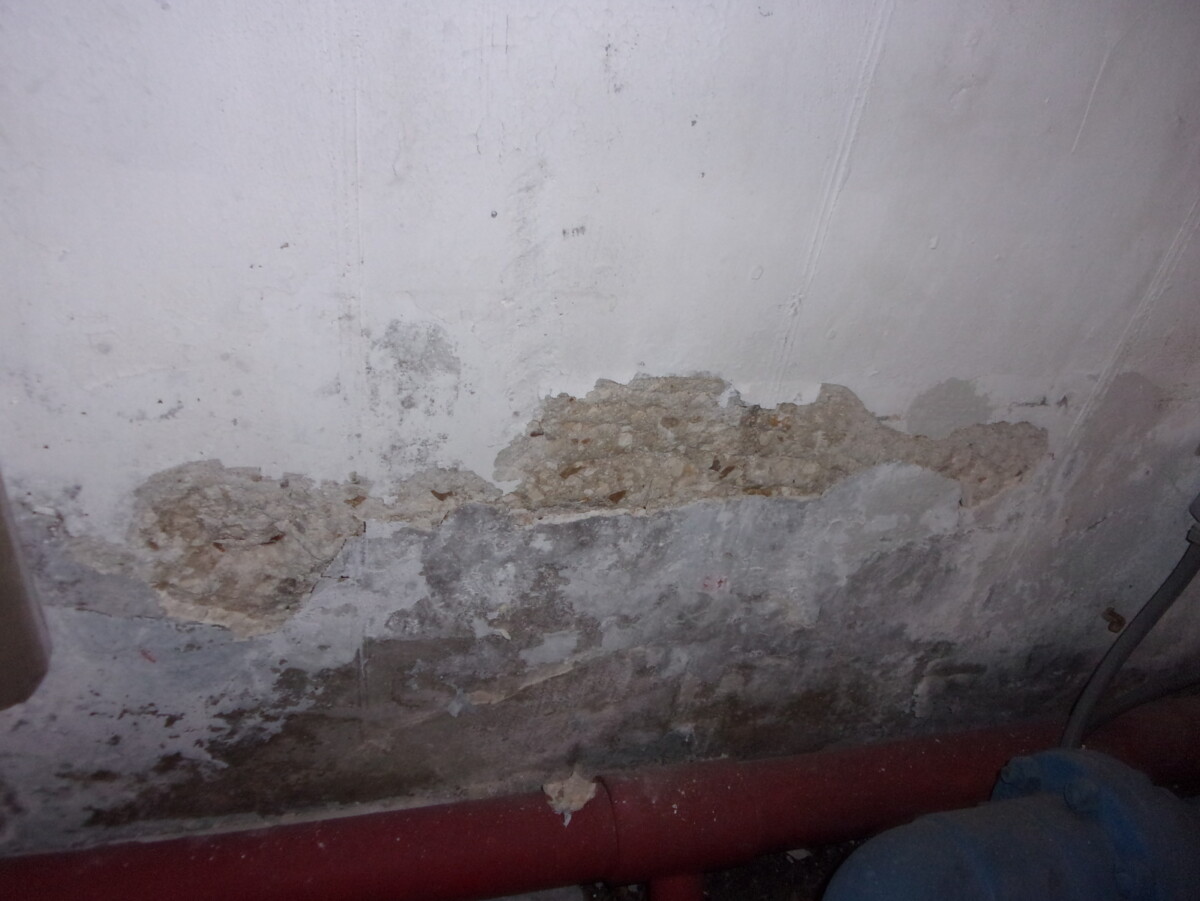
A commercial building’s walls that are starting to puff out like they’re holding their breath are always a red flag. Bowed or bulging walls often indicate serious structural issues.Pressure from the surrounding soil or water can push against the walls. Hydrostatic (water) pressure, especially after heavy rains or poor drainage, can slowly force walls to curve outward. Deteriorating building supports or overloaded floors can also exert the same effect.
Curving walls are unstable and can produce cracked masonry and compromised insulation if left unchecked. If left unaddressed, bowed or bulging walls may continue to shift, potentially affecting the wall’s long-term performance and requiring more extensive repairs. It’s one of those structural problems that can creep in quietly and then escalate rapidly if ignored.
This issue calls for immediate attention, whether it’s the exterior brickwork or internal partitions showing the strain. Professional structural engineers can assess pressure points, while recommending reinforcement or bracing before the situation literally cracks under pressure.
4. Sticking Doors and Windows
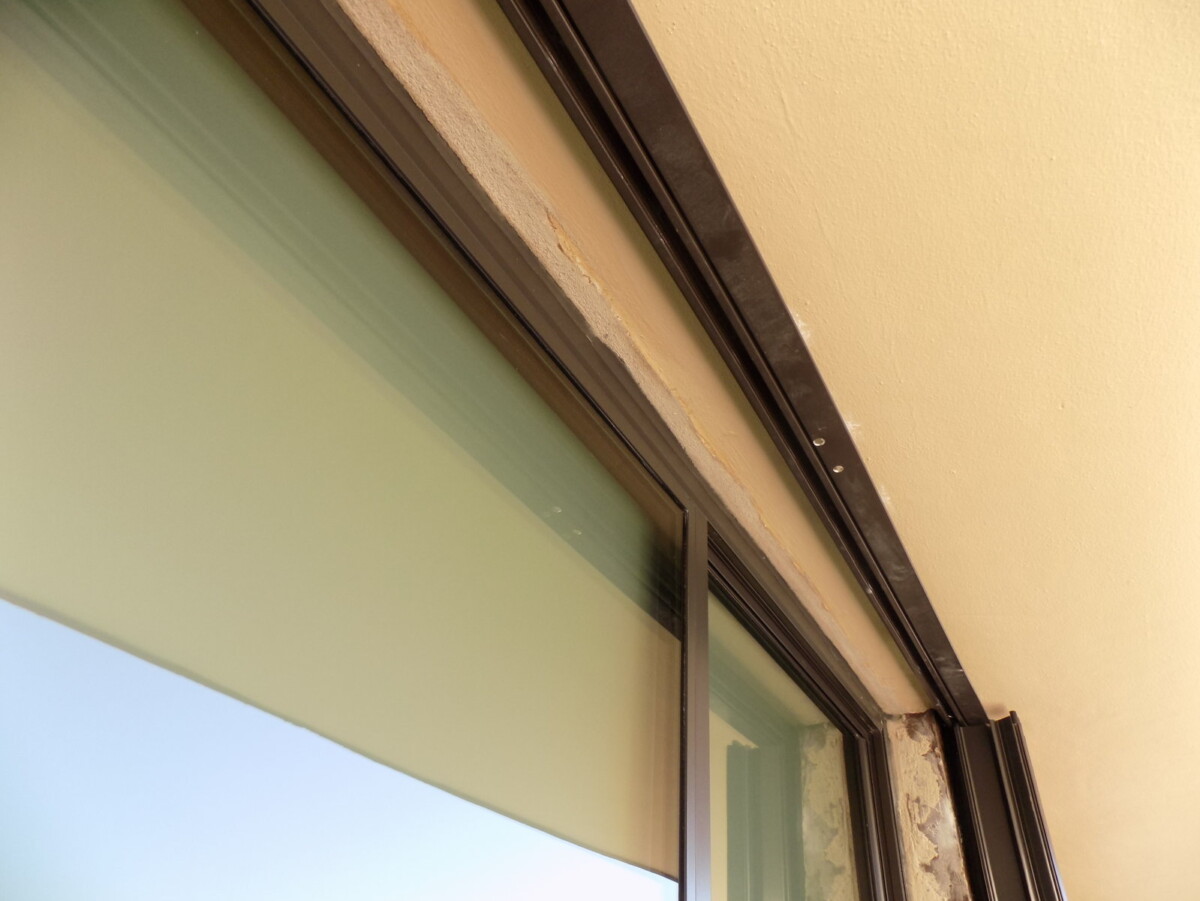
It’s easy to blame poor installation or humidity when doors drag or windows refuse to budge. In commercial buildings, these sticky situations often point to something deeper.Misaligned frames are some of the earliest signs of structural damage due to shifting foundations and warping beams. They can also be caused by movement in the building’s framework.
Uneven settling of the building’s structure or weakening support elements can distort the alignment of openings (like windows and doors). This can cause visible cracks around frames over time. You might also find gaps in seals or even stress fractures in walls. It might be a minor inconvenience, but such a sign could be a commercial building’s way of waving a red flag.
It’s easy to overlook these subtle cues. However, they should never be ignored. Persistent sticking often points to underlying structural damage that could escalate if not addressed.
Getting a professional assessment early can help restore function. More importantly, it can prevent more serious movement from compromising your entire structure.
Take Care of Structural Issues in Your Building
The five common structural issues in commercial buildings often start small but can quickly snowball into significant hazards. Recognizing the warning signs, like sticking doors, bowed walls, or separating sections, is key to preventing costly damage while ensuring occupant safety.For detailed structural requirements and inspection protocols, refer to the Florida Building Code (FBC) or ASCE 7 standards for load and design criteria. Addressing these problems early is easy with the help of a qualified restoration expert, like Billerreinhart. Their team specializes in identifying, solving, and restoring a building’s structural integrity to give it a stronger, safer future.