Who We Help
Select your role above to see resources tailored specifically for you.
Understand your rights, your building’s inspection requirements, and what questions to ask your board and property manager.
Plain-language definitions of the engineering and legal terms you’ll encounter during inspections, board meetings, and reserve discussions.
Link to Florida legislation, including the new Binding Interpretation 318 covering Windows, Doors, and Sliding Doors
A simple PDF explaining milestone inspections, common structural issues, and what HOA members should ask their board or property manager. Link to Florida’s DBPR, which has a dedicated condo resource hub.
A helpful, non-alarmist and shareable white paper on recognizing early indicators before they become major structural issues.
Focused on inspections, maintenance planning, and restoration timing – the key questions boards face and how to prepare confidently.
A PDF explaining Florida’s Threshold Inspection process as it applies to the replacement of Windows, doors and sliding doors in condo communities.
Understand your rights, your building’s inspection requirements, and what questions to ask your board and property manager.
Plain-language definitions of the engineering and legal terms you’ll encounter during inspections, board meetings, and reserve discussions.
Link to Florida legislation, including the new Binding Interpretation 318 covering Windows, Doors, and Sliding Doors
A simple PDF explaining milestone inspections, common structural issues, and what HOA members should ask their board or property manager. Link to Florida’s DBPR, which has a dedicated condo resource hub.
Structural Maintenance Priorities for Coastal Florida Buildings
What to Watch Before Small Problems Become Major Repairs
A PDF explaining Florida’s Threshold Inspection process as it applies to the replacement of Windows, doors and sliding doors in condo communities.
Understand your rights, your building’s inspection requirements, and what questions to ask your board and property manager.
Plain-language definitions of the engineering and legal terms you’ll encounter during inspections, board meetings, and reserve discussions.
Link to Florida legislation, including the new Binding Interpretation 318 covering Windows, Doors, and Sliding Doors
A page compiling DBPR CAM licensing and continuing education resources, plus Biller Reinhart CE available topics.
A Practical Guide for CAMs in Florida. Explain when to call an engineer, how to scope a project, and how to communicate findings to boards and residents.
Focused on inspections, maintenance planning, and restoration timing – the key questions boards face and how to prepare confidently.
A PDF explaining Florida’s Threshold Inspection process as it applies to the replacement of Windows, doors and sliding doors in condo communities.
Understand your rights, your building’s inspection requirements, and what questions to ask your board and property manager.
Plain-language definitions of the engineering and legal terms you’ll encounter during inspections, board meetings, and reserve discussions.
Link to Florida legislation, including the new Binding Interpretation 318 covering Windows, Doors, and Sliding Doors
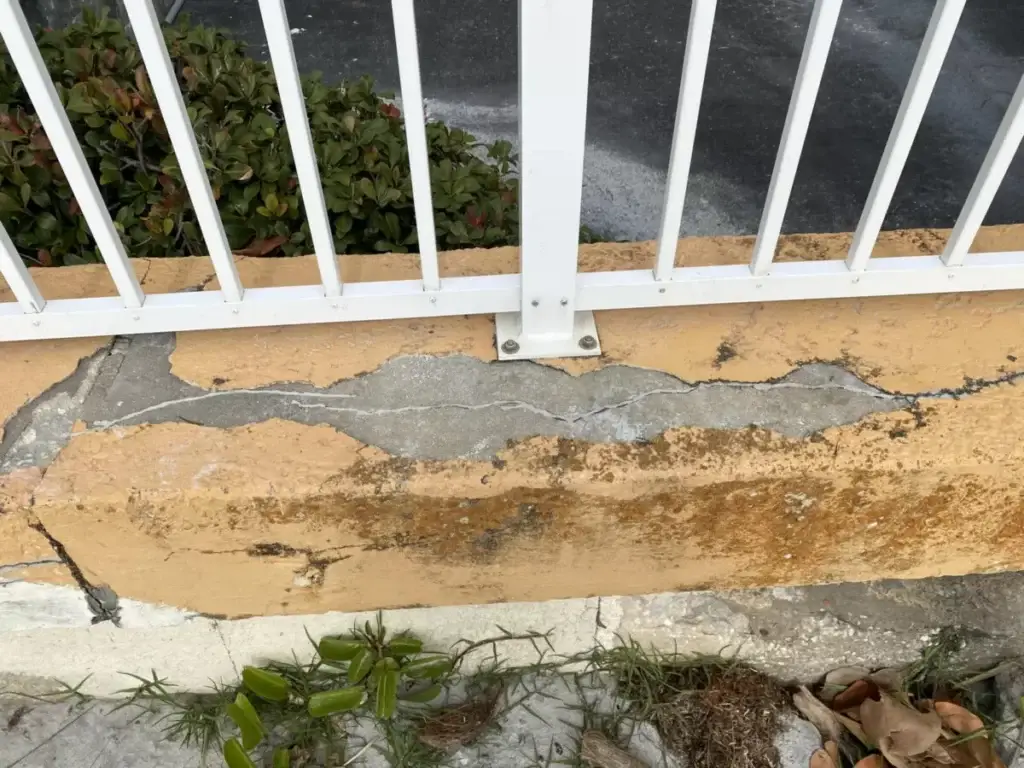
when cracks, leaks, railing deterioration, ponding, concrete distress, or facade issues should prompt engineering review.
Structural Maintenance Priorities for Coastal Florida Buildings
What to Watch Before Small Problems Become Major Repairs
A PDF explaining Florida’s Threshold Inspection process as it applies to the replacement of Windows, doors and sliding doors in condo communities.
Proin id lacus vitae velit accumsan venenatis. Aenean non mi vel nisi lacinia maximus. Duis efficitur, sapien quis bibendum auctor, lectus risus feugiat sapien, ac pulvinar orci est a arcu. Integer id augue vitae urna tristique tempus.
Aliquam erat volutpat. Nullam scelerisque auctor libero, id volutpat est dignissim vitae. Aliquam erat volutpat. Integer laoreet, nisi a tincidunt tincidunt, odio nisl commodo libero, id ultricies sapien purus non odio. Phasellus ac ultricies ex, vel scelerisque libero.
Praesent placerat, magna in vehicula vestibulum, felis urna cursus lorem, sed vestibulum quam eros vel libero. Vivamus commodo, odio sed fringilla pretium, sem nulla feugiat odio, in cursus elit dolor et ex.
Proin id lacus vitae velit accumsan venenatis. Aenean non mi vel nisi lacinia maximus. Duis efficitur, sapien quis bibendum auctor, lectus risus feugiat sapien, ac pulvinar orci est a arcu. Integer id augue vitae urna tristique tempus.
Aliquam erat volutpat. Nullam scelerisque auctor libero, id volutpat est dignissim vitae. Aliquam erat volutpat. Integer laoreet, nisi a tincidunt tincidunt, odio nisl commodo libero, id ultricies sapien purus non odio. Phasellus ac ultricies ex, vel scelerisque libero.
Praesent placerat, magna in vehicula vestibulum, felis urna cursus lorem, sed vestibulum quam eros vel libero. Vivamus commodo, odio sed fringilla pretium, sem nulla feugiat odio, in cursus elit dolor et ex.
Proin id lacus vitae velit accumsan venenatis. Aenean non mi vel nisi lacinia maximus. Duis efficitur, sapien quis bibendum auctor, lectus risus feugiat sapien, ac pulvinar orci est a arcu. Integer id augue vitae urna tristique tempus.
Aliquam erat volutpat. Nullam scelerisque auctor libero, id volutpat est dignissim vitae. Aliquam erat volutpat. Integer laoreet, nisi a tincidunt tincidunt, odio nisl commodo libero, id ultricies sapien purus non odio. Phasellus ac ultricies ex, vel scelerisque libero.
Praesent placerat, magna in vehicula vestibulum, felis urna cursus lorem, sed vestibulum quam eros vel libero. Vivamus commodo, odio sed fringilla pretium, sem nulla feugiat odio, in cursus elit dolor et ex.
Proin id lacus vitae velit accumsan venenatis. Aenean non mi vel nisi lacinia maximus. Duis efficitur, sapien quis bibendum auctor, lectus risus feugiat sapien, ac pulvinar orci est a arcu. Integer id augue vitae urna tristique tempus.
Aliquam erat volutpat. Nullam scelerisque auctor libero, id volutpat est dignissim vitae. Aliquam erat volutpat. Integer laoreet, nisi a tincidunt tincidunt, odio nisl commodo libero, id ultricies sapien purus non odio. Phasellus ac ultricies ex, vel scelerisque libero.
Praesent placerat, magna in vehicula vestibulum, felis urna cursus lorem, sed vestibulum quam eros vel libero. Vivamus commodo, odio sed fringilla pretium, sem nulla feugiat odio, in cursus elit dolor et ex.
Answers to the questions Florida condo owners, board members, and property managers ask most. Click any question to expand
A Milestone Inspection is a structural integrity review of a condominium or cooperative building required under Florida law following the Surfside condo collapse in 2021. The purpose is to assess whether a building’s load-bearing structure is safe for continued occupancy.
Who is required to get one? Under Florida Statute 553.899, milestone inspections are required for:
The inspection report must be submitted to the local building official, and a summary must be distributed to all unit owners and the association within 45 days of completion.
Coastal Florida buildings face some of the most aggressive conditions for concrete longevity in the country. The primary culprit is chloride-induced corrosion — salt from the ocean air, spray, and groundwater penetrates the concrete and attacks the steel reinforcing bars (rebar) inside.
Here is what happens step by step:
Early detection through regular visual inspections and sounding surveys — tapping the surface to find hollow areas — is the most cost-effective way to manage coastal concrete deterioration.
A Threshold Inspection is a construction-phase inspection required under Florida law (Florida Statute 553.79) for buildings classified as “threshold buildings.” It is performed by a special inspector — a licensed architect or engineer — who monitors and verifies that critical structural elements are built correctly during construction or significant renovation.
What qualifies as a threshold building?
The special inspector’s findings are documented in a signed and sealed report submitted to the building official, which becomes part of the permanent building record.
Water intrusion is one of the most damaging and commonly overlooked issues in Florida buildings. Because moisture travels, visible signs often appear far from the actual source.
On exterior surfaces:
On interior surfaces:
On balconies and common areas:
Rebar corrosion is one of the most common and serious structural issues affecting concrete balconies in Florida, particularly in coastal communities.
Here is what the restoration process typically involves:
How it starts:
Salt air, moisture, and carbonation gradually break down the protective concrete cover over the steel reinforcing bars. Once chlorides reach the rebar, corrosion begins. As rust forms, it expands — cracking and pushing off the concrete around it.
What a restoration project involves:
Sounding survey: Engineers tap the slab surface systematically to identify delaminated (hollow) areas not yet visibly cracked
Concrete removal: Deteriorated concrete is saw-cut and removed to expose corroded rebar beneath
Rebar treatment or replacement: Corroded steel is cleaned to bare metal or replaced if section loss is significant
Corrosion inhibitor application: A chemical treatment slows future corrosion on adjacent areas
Concrete patching: Structural repair mortars rebuild the section to its original profile
Waterproof coating or deck membrane: A protective coating is applied over the finished surface to prevent future water infiltration
Buildings that address rebar corrosion early — at the surface staining or hairline crack stage — typically face far smaller repair areas than those where spalling and delamination have developed across the full balcony deck.
These two terms are often used interchangeably, but they describe distinct stages of concrete deterioration. Understanding the difference helps boards and property managers communicate more accurately with engineers and contractors.
Concrete Delamination :
Concrete Spalling:
In practice: delamination is what engineers find during inspection; spalling is what residents notice from the ground. If you can see it, delamination has likely been progressing underneath for some time.
The June 2021 collapse of the Champlain Towers South in Surfside, Florida, fundamentally changed how the state approaches building safety inspections.
The 40-Year Inspection (Pre-Surfside)
The Milestone Inspection (Post-Surfside — Florida Statute 553.899)
The Surfside collapse revealed that the previous patchwork of local ordinances left many Florida buildings with no inspection requirements at all. The Milestone Inspection law closed that gap — but has also created significant compliance deadlines that many associations are still working to meet.
Blog Posts